22
Sites across Canada
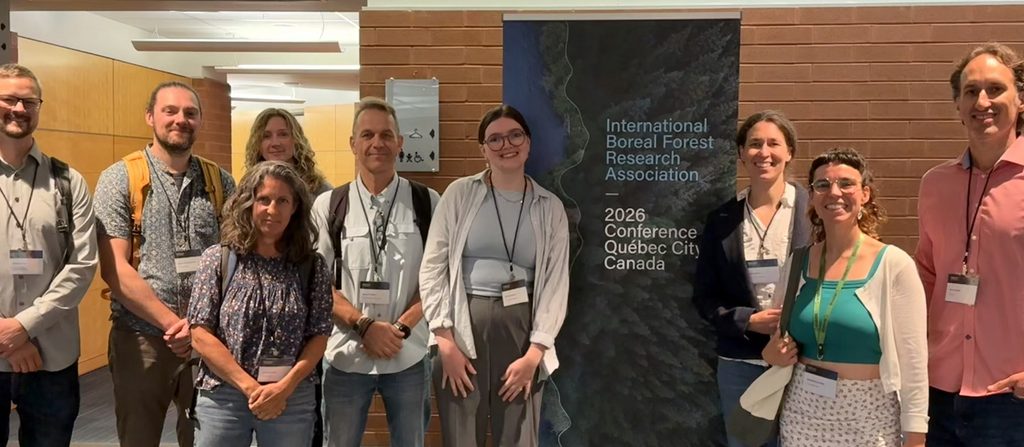
This August, several members of the DIVERSE team found themselves at the International Boreal Forest Research Association (IBFRA) conference in beautiful Quebec City. Multiple of our researchers were able to share their work at the conference; some spoke about the DIVERSE project, while others presented on other research they’re currently invested in. Regardless, it was a wonderful opportunity to meet and learn together.
One of the conference’s keynote speakers, Dr. Phil Burton, touched on the importance of recognizing that values deeply impact the uptake of research results and the relevance of that research. This concept of values came up repeatedly during the conference: to make changes, values must be aligned. One presentation session on Society, Knowledge, & Forest Stewardship left us with multiple takeaway messages relating to values and the reasons behind why we do the research that we do.
Two speakers particularly stuck out during that session: Dr. Jill Johnstone of Yukon University and the University of Alaska Fairbanks, and Bruno Drolet of the Canadian Wildlife Service. Both presenters spoke about a collaborative research process with Indigenous groups and local communities.
Bruno Drolet shared about a recent project in which his group worked to develop mutualistic partnership with Indigenous partners while implementing bird call monitoring across different regions of the boreal forest. Truly meaningful partnerships, Bruno explained, require an openness to adapt to different perspectives and realities. In one Indigenous community his project worked in, they shared their priorities were for kids and education. So, Bruno’s team organized workshops and classroom sessions for the kids. The program was a success, building mutual trust and respect. From this, Bruno offered a new paradigm to consider when working with Indigenous communities: “Your project may become an Indigenous project with a wildlife component. “
To truly build meaningful partnerships with other communities, it’s essential to recognize that your project might not be the priority of a community– and instead hold open-mindedness for how your project can fit into their priorities instead. This kind of approach takes more time and investment. However, finding mutual and shared values, or even being open to new values from other communities, fosters far deeper and more respectful partnerships.
“Your project may become an Indigenous project with a wildlife component.” – Bruno Drolet
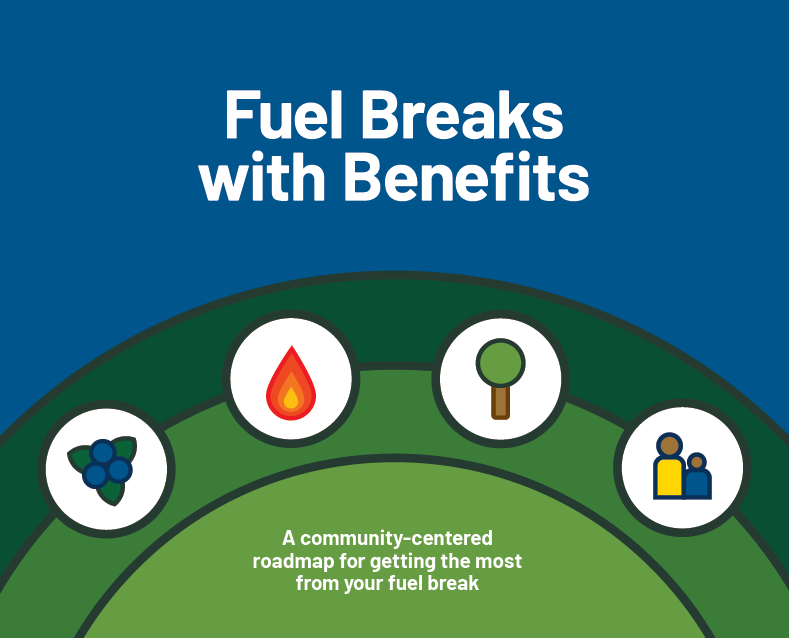
Dr. Jill Johnstone shared her work on Fuel Breaks With Benefits, a collaborative project on which she serves as a Principal Investigator. The project approaches the creation of fuel breaks to protect far northern communities from fire, built on the idea that fuel breaks can do more than reduce wildfire risk — they can also provide spaces for food, medicine, recreation, and education, according to the Fuel Breaks With Benefits website. For Jill, the work carries personal weight: some of the project’s case studies are in her own town, Teslin, Yukon. As the project’s roadmap makes clear, its goal is protection: of communities, spaces, and people. Jill mentioned a key caveat to the idea of protection – her project does not use this word to imply that fires are entirely unable to cross these fuel breaks. Rather, fuel breaks protect by both reducing the risk of fires getting past them, as well as creating easier spaces for fire crews to protect the area.
After her presentation, Jill shared something more personal. She proudly showed the room her conference bag from IBFRA 2004, where she’d won a speaker award, and reflected on her career and contributions over the years. Looking back, she said, “we stand on the backs of people before us.” As she put it, we’re only here a short time — the best way to carry forward is with ideas that continue on. There is meaning behind the research we do, and conferences like IBFRA are where that meaning gets passed along.
“We stand on the backs of people who came before us.” – Jill Johnstone
Bruno and Jill’s projects gave us plenty of food for thought for our own work. Like both of their projects, DIVERSE works with a variety of stakeholders, landowners, community members, and Indigenous groups. At IBFRA, we were reminded that values are what unify people towards change, and that building truly meaningful partnerships requires openness to others’ perspectives and realities.
DIVERSE’s stated goal is adapting forests to global change, but it goes much further than that. We are adapting forests, to protect them – much as Jill’s project roadmap centers on protecting communities – because our forests protect us. From sea to sea, and coast to coast, our forests are essential across Canada: they provide jobs, recreation spaces, and scenery, sustain a deep history of continued Indigenous stewardship and cultural significance, clean our air, and shelter our homes. The IBFRA conference provided a potent reminder that ultimately, the purpose of our research is to provide forest management options that can help protect Canadians and our future. The value we are upholding is protecting our communities.
Much like how fuel breaks protect communities by reducing risk, we can think about our functional complex networks approach similarly. No forestry management method can promise absolute protection from a future of unpredictable global stressors as we currently face. We can just mitigate that risk, through promoting more resilient forests, as our means of protection.
If we’re pushing for a functional complex network in a world where the tallest trees with the highest wood mass are the highest valued commodities nationally, it’s going to be difficult to have buy-in. But what if adapting forests to global change through functional complex networks is the best way to protect our forests, and we can foster that value? As we learned from presentations at the IBFRA conference, doing so fully requires consultation and collaboration with all affected parties. We’ll take these reflections with us into the remaining years of collaboration and partnership within the DIVERSE project.
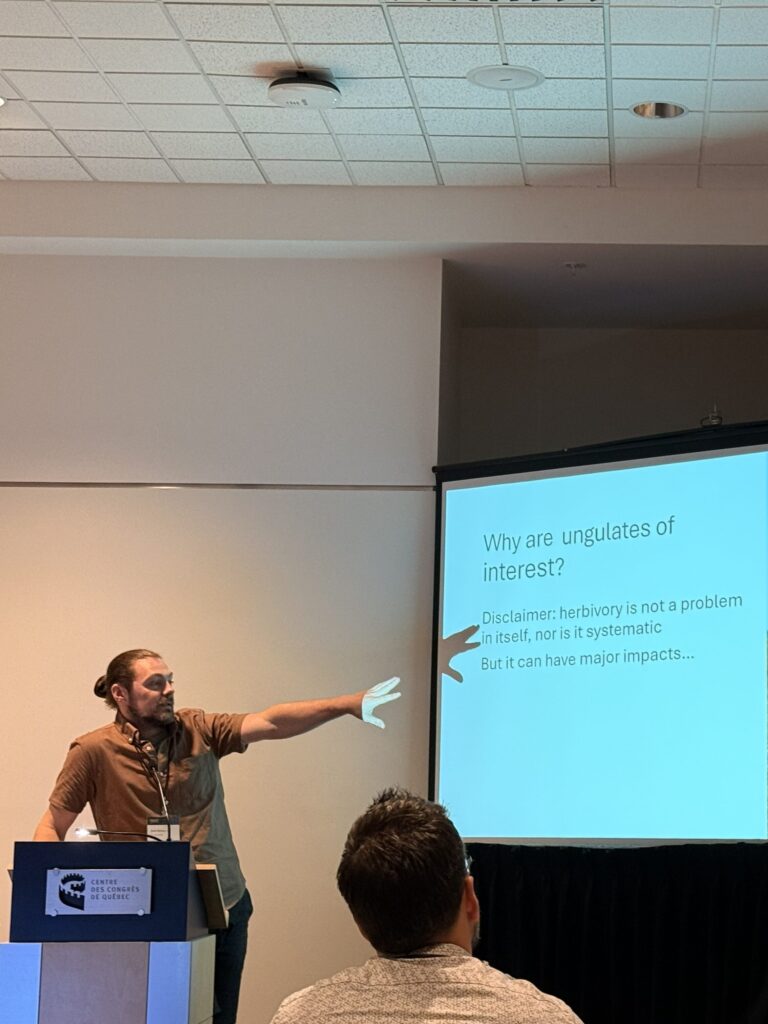
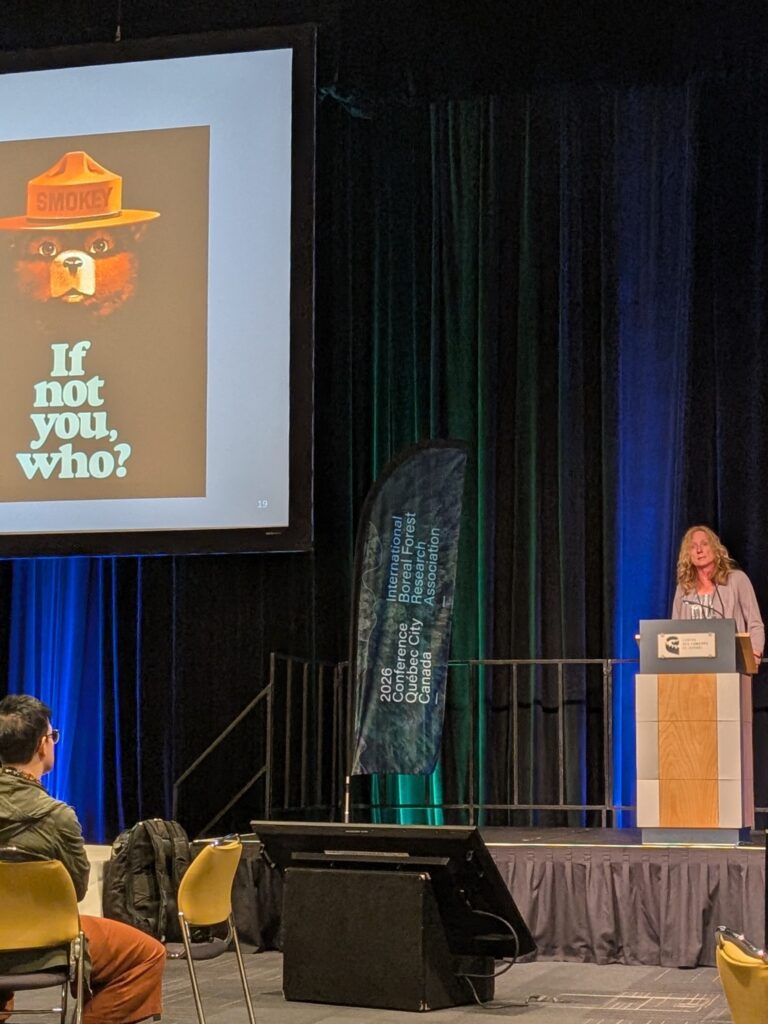
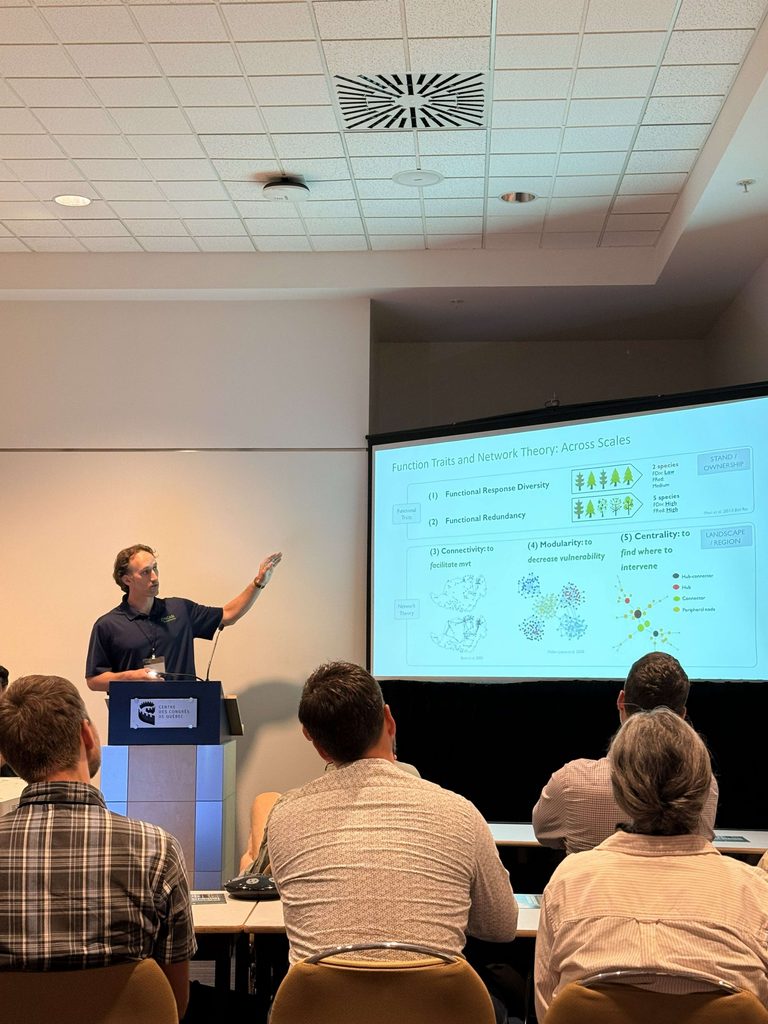
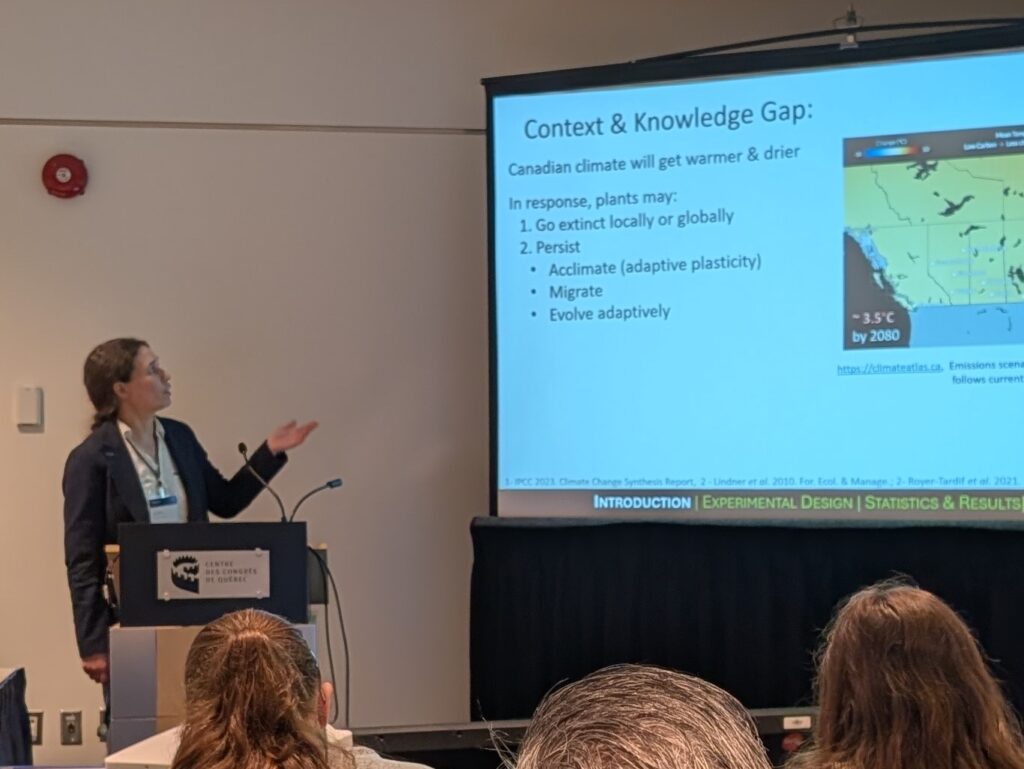
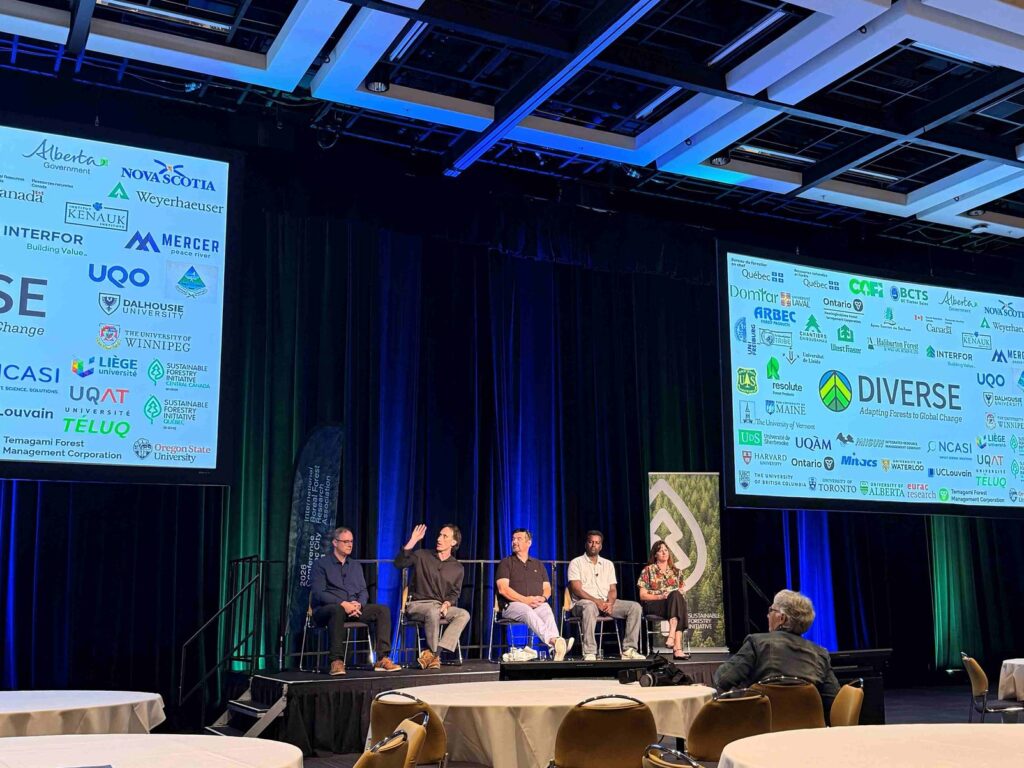
DIVERSE Project Members Presentations at IBFRA 2026. Top: Left – Olivier Villemaire-Côté, Middle – Jen Beverly, Right – Kevin Solarik. Bottom: Left – Julie Messier, Right – Kevin Solarik presents on DIVERSE as part of the conference’s SFI Panel Discussion.